
Foundations of the Buddhist Path: A Year-Long Intensive Training
Begins August 9th, 8am MST Online

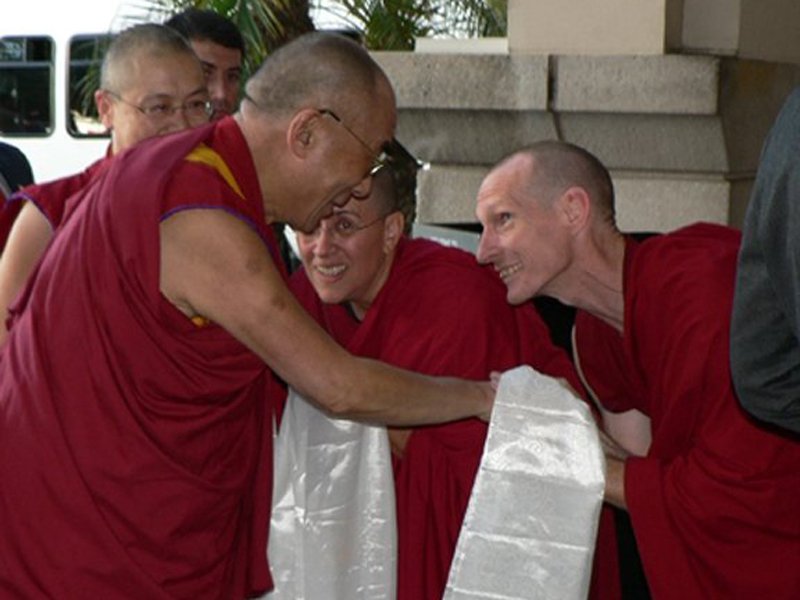

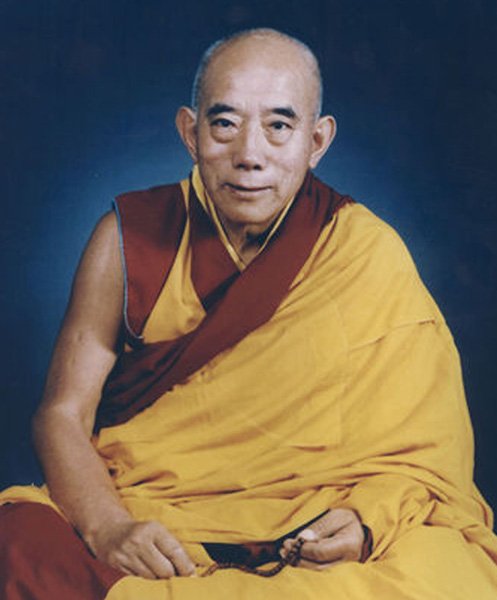

Video of the orientation session
Introduction, Vision, and Participant Expectations
This year-long training has been developing in my heart and mind for some time. I now feel that the conditions have ripened to offer it.
The training is intended for people who are ready to earnestly develop a strong personal foundation in both the philosophy and practices of the Buddhist path. It will combine education, meditation, reflection, ethical practice, and group discussion in a way that is rooted in authentic Buddhist teachings and applicable to the realities of modern Western life.
The aspiration is not merely to learn more about Buddhism. It is to cultivate the qualities, understanding, and stability necessary to genuinely engage in the path.
The primary aspiration of this training is:
To provide participants with a solid foundation in the first three vehicles of Buddhism through an integrated combination of practice and education, ripening the qualities necessary to engage meaningfully in the path of their choice.
Many people encounter Buddhism by reading books, receiving occasional teachings, attending different centers, practicing meditation, or exploring various traditions. These experiences can be valuable, but they do not always create a coherent foundation.
Some people enter directly into Zen, Theravāda, Mahāyāna, or Tibetan Vajrayāna practice without clearly understanding the teachings and practices upon which those paths are built. They may receive profound instructions or begin advanced practices without having sufficiently developed the inner stability, context, and foundational understanding necessary to benefit fully from them.
This training is intended to address that gap.
We will begin at the beginning. We will study carefully, practice consistently, reflect deeply, and allow the teachings to ripen within us.
More Than Receiving Teachings
Receiving a teaching is the first level of wisdom, but it is not the end of the process.
It is common to attend a profound teaching and, a week later, remember very little of what was taught. We may recall the general topic, but we cannot explain it clearly, recognize it in our own lives, or apply it when difficulties arise.
This training will cultivate the traditional three forms of wisdom:
- The wisdom of hearing or learning, through receiving authentic teachings.
- The wisdom of reflection, through questioning, analyzing, discussing, and examining those teachings carefully.
- The wisdom of meditation, through directly integrating and realizing the teachings within our own experience.
My aspiration is that participants will not merely remember that a subject was discussed. You will be able to explain what you learned, recognize how it manifests in daily life, and speak from both intellectual understanding and lived experience.
Building the Foundation
We will use two primary analogies throughout the training.
The first is the construction of a solid foundation. If the foundation is unstable, everything built upon it will also be unstable. If the foundation is strong, later practices can develop with greater clarity, confidence, and effectiveness.
The second is the preparation of a proper vessel. The teachings may be profound, but we must cultivate the inner qualities that allow us to receive, retain, and embody them.
This preparation includes:
- stability of attention,
- ethical awareness,
- the ability to recognize virtue and nonvirtue,
- understanding the causes of suffering and happiness,
- familiarity with our habits and mental tendencies,
- increasing freedom from self-grasping,
- compassion for ourselves and others,
- and a realistic understanding of how we and the world exist.
We will not rush through these teachings. We will seek to know them deeply.
The First Three Yānas
The course will explore the first three vehicles, or yānas, as a progressive and interconnected foundation.
1. The Śrāvakayāna
The first vehicle introduces the foundational teachings of the Buddha, particularly those preserved in the Pāli Canon.
We will study such teachings as:
- the Four Noble Truths,
- the Noble Eightfold Path,
- the Three Higher Trainings,
- the Three Marks of Existence,
- dependent origination,
- karma,
- ethical discipline,
- renunciation,
- mindfulness,
- and the causes of suffering and liberation.
We will explore these teachings primarily through early Buddhist and Theravāda sources, while also considering how they are understood from a Mahāyāna perspective.
These teachings form the basis of every Buddhist path. They provide the essential understanding of suffering, its causes, liberation, and the methods that lead to freedom.
2. The Pratyekabuddhayāna
The second vehicle deepens our investigation of:
- dependent origination,
- impermanence,
- karma and causality,
- the conditioned nature of experience,
- and the wisdom that understands how phenomena arise.
This stage of the training will place particular emphasis on contemplative insight.
Dependent origination provides a way of understanding emptiness and the ultimate nature of reality. By examining how everything arises through causes, conditions, parts, concepts, and relationships, we begin loosening our habitual tendency to experience ourselves and the world as fixed, independent, and inherently existent.
3. The Bodhisattvayāna
The third vehicle introduces the path of the bodhisattva and the aspiration to attain complete awakening for the benefit of all beings.
We will explore:
- bodhicitta,
- compassion,
- the pāramitās, or perfections,
- emptiness,
- skillful means,
- Buddha nature,
- the bodhisattva vows,
- and the stages of the bodhisattva path.
The bodhisattva path contains all the qualities necessary to attain complete Buddhahood. It is not simply a philosophy of kindness. It is a complete path of transformation in which wisdom and compassion are cultivated together.
Preparing for the Path of Your Choice
The aim of the course is not to require every participant to follow the same Buddhist tradition.
By the end of the year, I hope participants will have developed the understanding and qualities necessary to make an informed and meaningful choice.
Some may feel drawn to a Theravāda path oriented toward liberation and arhatship. Others may feel called to the Mahāyāna bodhisattva path. Some may eventually be prepared to receive initiation and engage in Tibetan Vajrayāna practice.
The purpose of this training is to prepare the ground.
It is possible to enter a tradition without understanding what supports it. This course will help participants understand what the Buddha taught, how those teachings developed, how different traditions interpret them, and how the vehicles relate to one another.
At no point is anyone required to identify as Buddhist. Participants are invited to learn, practice, investigate, and then decide what they wish to do with their lives.
The Daily Practice
The primary method of integration will be a daily practice structured around the Five Powers.
The Five Powers offer a way to synthesize the Buddhist path into daily life.
1. Resolve
Each morning, we establish the resolve to use the day meaningfully.
The highest priority is to make good use of this life by cultivating our positive potential, engaging in beneficial activities, and developing qualities that contribute to liberation and the welfare of others.
This does not mean that ordinary responsibilities and enjoyments have no value. It means that they are placed within a larger understanding of what truly matters.
2. Familiarity
The Tibetan term gom, often translated as meditation, means becoming familiar.
We will become familiar with:
- the mind,
- our habits and tendencies,
- our distractions,
- our emotional patterns,
- the Five Hindrances,
- the teachings we are studying,
- and the qualities we are trying to cultivate.
Each week, participants will be invited to become deeply familiar with a specific teaching, practice, or aspect of the mind.
3. Positive Potential
We will consciously seek opportunities to engage in virtue and cultivate wholesome qualities.
This includes generosity, patience, kindness, ethical conduct, compassion, attentive presence, and actions that contribute to the wellbeing of ourselves and others.
The practice is not only to perform beneficial actions, but also to notice them and allow ourselves to recognize their value.
4. Revulsion
Revulsion means developing a clear recognition of the harmful nature of unwholesome habits and actions.
It begins by seeing how certain behaviors, attitudes, and mental patterns undermine our wellbeing and the wellbeing of others.
Over time, this develops into genuine renunciation. We are no longer merely resisting harmful habits. We begin to see them as forms of poison that keep us imprisoned in suffering.
5. Aspiration or Prayer
Throughout the day, participants will pause and reconnect with their deepest intentions.
This may include:
- a traditional Buddhist prayer,
- a verse,
- a mantra,
- the Four Immeasurables,
- an aspiration to benefit others,
- or a simple reminder of how we wish to live.
The purpose of prayer in this context is to cultivate virtuous thought, protect the mind from harmful patterns, and repeatedly reorient ourselves toward wisdom and compassion.
Participants will be encouraged to pause approximately six times each day for a few minutes to remember why they are here, renew their resolve, and bring the mind back into alignment with their aspirations.
Meditation and Mind Training
A daily commitment to meditation will be central to the training.
The specific form and duration may differ depending on a participant’s experience, but everyone will be asked to maintain a consistent practice aimed at:
- taming the mind,
- strengthening attention,
- becoming more present,
- recognizing habits and tendencies,
- and learning to relate more skillfully to thoughts and emotions.
The purpose is not to have dramatic meditation experiences. It is to develop stability, familiarity, and greater freedom in how we direct and use the mind.
The foundational question throughout the day will be:
Am I strengthening the causes of suffering, or am I cultivating the causes of freedom?
Weekly Study and Discussion
Each week, participants will receive a focused teaching or lesson.
During the first six weeks, we will use a six-part introduction to Buddhism by Bhikkhu Bodhi. Each session is approximately one hour and will be accompanied by summary notes and reflection material.
The challenge will not be consuming large amounts of content. The challenge will be slowing down.
Participants will be asked to engage with one lesson each week, reflect upon it, review the notes, participate in discussion, and allow the material to become familiar.
We will resist the modern tendency to rush through content. The goal is not to finish as much material as possible. The goal is to understand what we study.
Each week will include:
- a recorded or written teaching,
- PDF study notes,
- reflection questions,
- online discussion,
- and a Sunday gathering for analysis, clarification, and dialogue.
The Sunday session will not primarily be a new lecture. It will be an opportunity to unpack the week’s material, ask questions, examine its meaning, and learn from one another.
The weekly Sunday meeting will be recorded for those who cannot always attend live.
Monthly Day-Long Practice
The training will also include a monthly day-long retreat or practice day.
These gatherings will allow us to move beyond ordinary weekly study and spend sustained time in:
- meditation,
- teachings,
- reflection,
- discussion,
- and direct application of the material.
Participants are strongly encouraged to attend these days whenever possible.
Those who cannot attend every day-long retreat may still participate in the course, but they will be expected to remain highly engaged in the daily practice, weekly study, online discussion, and Sunday gatherings.
Additional multi-day retreats may also be offered during the year in a hybrid (in person/online) format.
A Modern Western Buddhist Curriculum
One of the larger aspirations of this training is to help develop a coherent Buddhist curriculum for modern Western practitioners.
The challenges we face today are different in many ways from those faced by practitioners 2,600 years ago. We live with constant communication, digital distraction, information overload, psychological complexity, competing responsibilities, and very little uninterrupted time.
The teachings themselves do not need to be altered, but they must be presented and integrated in ways that address the conditions in which we actually live.
The aim is to unite:
- authentic Buddhist philosophy,
- genuine contemplative practice,
- ethical development,
- psychological maturity,
- disciplined study,
- and practical application in modern life.
This first group will help reveal what works, what needs adjustment, and how the curriculum can be strengthened for future participants.
Personal Responsibility
This program differs from attending a general Dharma talk.
In the year-long training, participants will take personal responsibility for:
- learning the teachings,
- understanding them,
- applying them,
- discussing them,
- asking questions,
- reflecting honestly,
- and eventually explaining them clearly to others.
The aspiration is that, by the end of the year, participants will possess direct and practical knowledge rather than a collection of interesting ideas.
You should increasingly be able to say:
- I understand this teaching.
- I can recognize it in my own life.
- I have reflected upon it carefully.
- I have practiced it.
- I can explain it coherently to someone else.
The course may also begin preparing some participants to lead discussions, support practice groups, share Dharma, or continue into deeper forms of Buddhist training.
Commitment and Priority
This course is intended for people who feel ready to make the path a genuine priority.
There is a time for exploring and a time for dabbling. Many of us have needed that period of exploration. This training represents a different stage.
The essential question is:
Have the conditions ripened in my life for me to dedicate a year to this training?
Participants are not being asked to promise that nothing will interfere, that they will never miss a session, or that they will complete every activity perfectly.
Life will continue to happen. People may travel, become ill, fall behind, struggle with practice, or need to reengage after a difficult period.
What matters is the intention at the beginning:
- This is worth my time.
- This is worth my energy.
- I am willing to make it a priority.
- I will do my best to show up and participate.
- When I fall away, I will return.
The training will flourish when participants bring sincere commitment, consistency, curiosity, and support for one another.
The Most Important Rule
The number one rule of this training is:
Do not use the course as another reason to criticize yourself.
The aspirations are significant, but we are not expecting anyone to become a Buddha in one year.
We will struggle. We will miss practices. We will misunderstand teachings. We will become distracted. At times, the process will be messy.
The greatest obstacle for many Western practitioners is not a lack of intelligence or sincerity. It is the self-critical mind.
Self-criticism undermines practice by turning aspiration into inadequacy and discipline into punishment.
We will instead practice:
- recognizing our value,
- appreciating sincere effort,
- learning from mistakes,
- reengaging without shame,
- and remembering that even the aspiration to become wiser and more compassionate is itself virtuous.
The best offering participants can make to the teacher, the community, and the Dharma is their sincere practice.
Practicing as a Community
Although each participant is responsible for their own training, we will not be doing this alone.
We will support one another through:
- discussion,
- shared reflection,
- questions,
- encouragement,
- honest dialogue,
- and the willingness to keep showing up.
A committed group creates conditions in which everyone can flourish.
Participants may occasionally lead discussions or meet without the teacher present. The training is intended to help each person develop confidence, understanding, and the ability to participate actively in the preservation and sharing of the Dharma.
Time Commitment
The weekly academic material will generally be manageable.
During the first six weeks, participants can expect:
- approximately one hour of video teaching,
- time to read and review the notes,
- personal reflection,
- participation in online discussion,
- a daily meditation and Five Powers practice,
- and the one-hour Sunday gathering (8 am Mountain Time, USA)
- Monthly day-long retreats (9:30 am to 3:30 pm)
- Some additional retreats and trainings during the year, always available to participate online.
The purpose is not to overwhelm participants with content. The primary work is taking time with the material, returning to it, contemplating it, and bringing it into daily life.
Donations and Support
The training will be offered according to the traditional model of a Buddhist center rather than through a fixed tuition fee.
Participants may support the center through monthly donations, occasional offerings, service, resources, or other forms of generosity according to their circumstances.
No one should give beyond their means. Participants should care for their own basic needs and responsibilities first.
The deeper foundation of support is practice itself. The teachings continue when people value them, practice them, and help create the conditions in which they can remain available.
The Deeper Invitation
This life is rare, precious, and temporary.
Each day comes only once. We do not know how many years, months, or days remain.
The question underlying this training is not whether Buddhism is interesting. It is not whether meditation helps us feel somewhat better.
The deeper question is:
What am I doing with this life?
Am I reinforcing the habits and conditions that keep me imprisoned in samsara, or am I cultivating the causes of freedom?
The Buddhist path is not merely a collection of admirable philosophies. It is a path of liberation and transformation.
Enlightenment is not something reserved for ancient masters or extraordinary beings. The path exists because awakening is possible.
My aspiration is that participants come to recognize:
- You are capable of transforming your mind.
- You are capable of developing wisdom and compassion.
- You are capable of liberation.
- You are capable of becoming a profound benefit to others.
- You are capable of engaging the path wholeheartedly.
Closing Aspiration
At the conclusion of this year, I hope participants will have developed:
- a clear understanding of the foundational teachings of the Buddha,
- a stable and consistent daily practice,
- increased familiarity with their own minds,
- greater ethical clarity,
- a deeper understanding of suffering and its causes,
- confidence in the possibility of liberation,
- the ability to analyze and discuss Buddhist teachings,
- the capacity to apply those teachings in daily life,
- and the readiness to engage deeply in the Buddhist path that speaks most clearly to them.
Most importantly, I hope each participant will recognize their own value.
The sincere aspiration to make good use of one’s life, cultivate wisdom, become a better person, and benefit others is already something extraordinary.
If this training has ripened in your life and you feel inspired to make it a priority, you are warmly invited to join us.