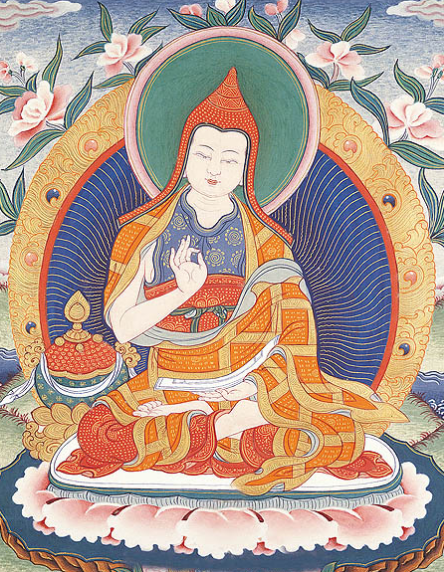
Shantideva – Verse 15
Bodhichitta, the awakened mind,
Is known in brief to have two aspects:
First, aspiring, bodhichitta in intention;
Then active bodhichitta, practical engagement.
Shantideva, The Way of the Bodhisattva, Verse 15
Bodhichitta, the awakened mind,
Is known in brief to have two aspects:
First, aspiring, bodhichitta in intention;
Then active bodhichitta, practical engagement.
Shantideva, The Way of the Bodhisattva, Verse 15
“The one time people ask me about ethics is when scandals or controversies happen in Buddhist communities,” says Mingyur Rinpoche. But, as he notes, ethical conduct has always been central to the Buddhist path. Here he explains what it means to live a virtuous life, what a student a should look for in a teacher,…
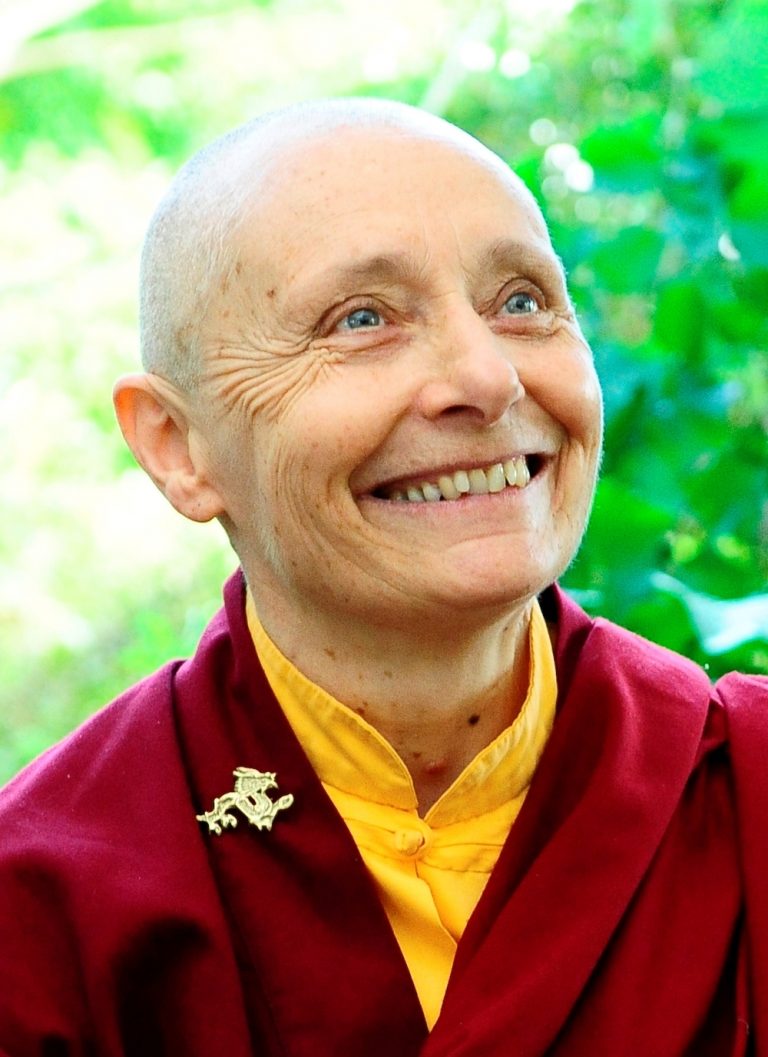
Jetsunma Tenzin Palmo – How to Get Inspired and Keep Going
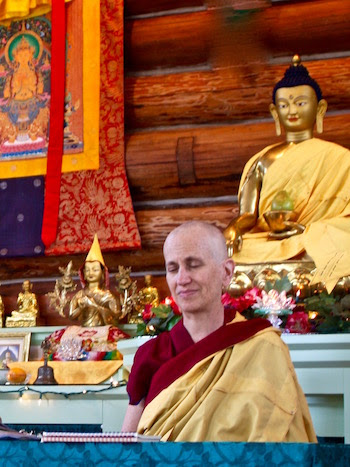
Four Establishments of Mindfulness from Buddhism: One Teacher, Many Traditions by His Holiness the Dalai Lama and Venerable Thubten Chodron (The four establishments of mindfulness focus on the body, feelings, mind, and phenomena (dhamma, dharma). To “establish mindfulness” means to place our mindfulness on an object comprehended by wisdom. ) Mindfulness of Feelings Through mindfulness of…


Thubten Jinpa, translator of His Holiness the Dalai Lama, speaks at google about a fearless heart and the natural and powerful benefits of compassion.

Shantideva cites three benefits of pain. First, it is valuable because through sorrow, pride is driven out. No matter how arrogant and condescending we’ve been, great suffering can humble us. The pain of a serious illness or loss of a loved one can be transformative, softening us and making us less self-centered. The second benefit…